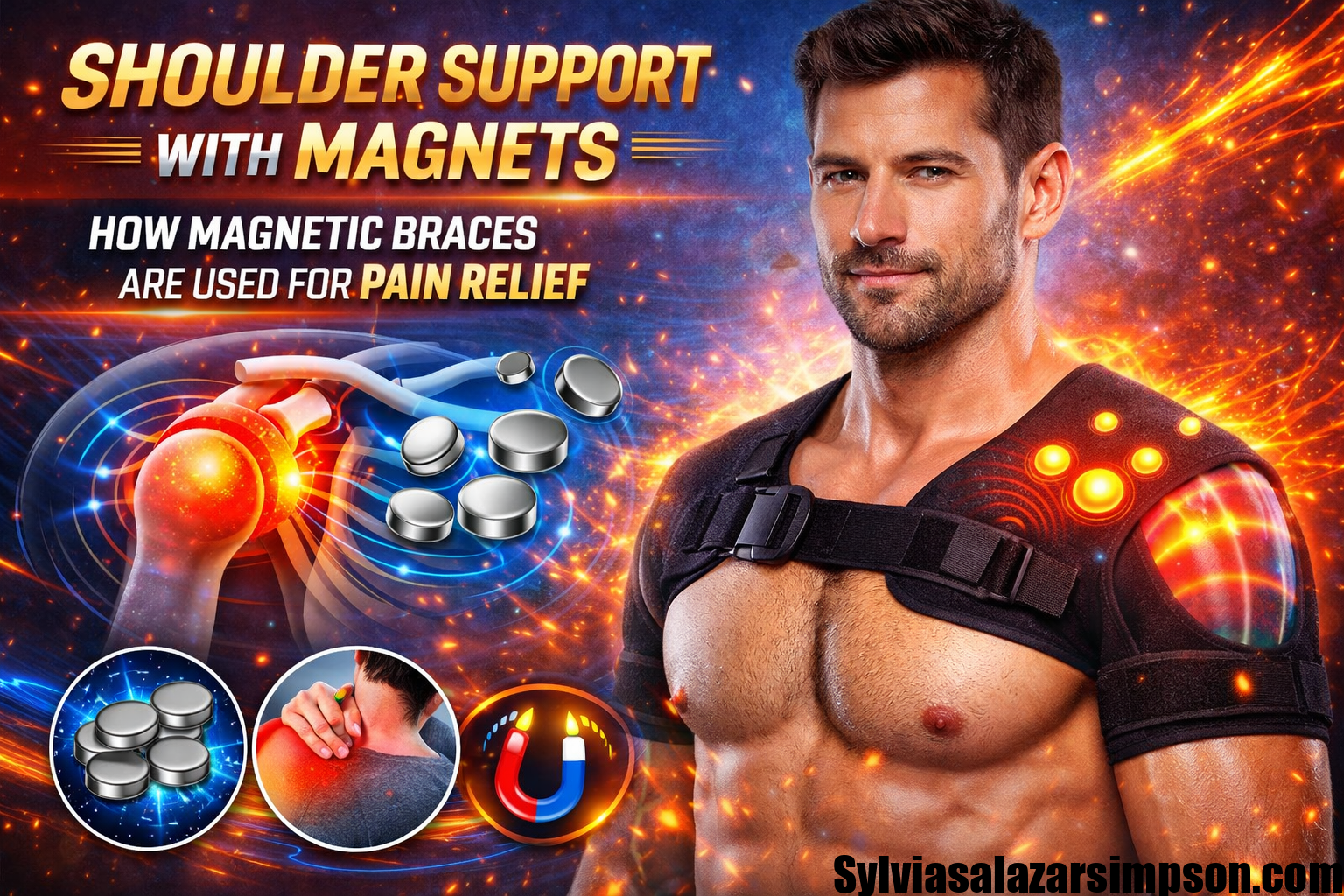
You realise how much you rely on your shoulder only after it starts resisting you. Buttoning a shirt feels awkward. Reaching for a jar becomes a slow, careful move. Even sleep turns into a negotiation. In Australia, shoulder pain is not rare. According to musculoskeletal health reports, shoulder conditions sit among the leading causes of chronic pain and reduced mobility in adults, especially after 40. Yet most people don’t want to rely on painkillers forever. That’s where shoulder support with magnets begins to spark curiosity. Not loud. Not flashy. Just quietly present.
Why Shoulder Pain Hangs Around Longer Than You Expect
The shoulder is built for movement, not stability. It sacrifices strength for flexibility, which makes it vulnerable.
A small strain can turn into weeks of discomfort because:
- The joint is constantly in use
- Surrounding muscles compensate and get overworked
- Inflammation doesn’t fully settle if movement continues
You rest it for a day or two, feel better, then go right back to the same habits. Sound familiar?
What Exactly Is Shoulder Support With Magnets?
Think of it as a two-layer approach.
First, you get physical support. The brace gently holds your shoulder in a more stable position. Not rigid, just guided.
Second, there are embedded magnets placed around key areas of the shoulder. These sit close to the skin and work continuously while you go about your day.
Modern designs are:
- Lightweight and easy to adjust
- Discreet under clothing
- Breathable enough for long wear
No complicated setup. You simply wear it and let it do its job.
So, How Do Magnetic Braces Help?
Let’s stay honest and practical here. Magnetic therapy is still being researched. Some clinical studies show mixed results, while others suggest modest benefits for pain relief. But user experience tells an interesting story. Many people report feeling better over time.
Here’s what might be happening:
1. Circulation Support
Magnets are believed to influence blood flow in the area. Improved circulation can help deliver oxygen and nutrients to tired tissues.
2. Gentle Muscle Relaxation
The combination of compression and magnetic exposure may ease tightness. That “pulled” feeling in your shoulder can soften gradually.
3. Reduced Reliance on Medication
For people trying to avoid frequent painkillers, this offers a passive alternative. No timing doses, no worrying about side effects.
4. Posture Awareness
This part is often overlooked. The brace subtly reminds you to sit and stand better. Over time, that alone can reduce strain.
Who Usually Notices the Biggest Difference?
Not everyone uses it for the same reason, and that’s what makes it interesting.
You’ll often find it helpful if you are:
- A senior dealing with stiffness that lingers through the day
- Someone working long hours at a desk with rounded shoulders
- Active in sports and recovering from minor strain
- Doing repetitive tasks that quietly wear down the joint
It doesn’t promise perfection. It offers support where your body needs it most.
What Does It Actually Feel Like?
Not what most people expect.
It’s not stiff or restrictive. Instead, it feels like a steady, reassuring hold. Almost like your shoulder has a bit of backup.
After a while, many people forget they’re even wearing it. Until they take it off and suddenly notice the difference.
Choosing the Right One Matters More Than You Think
A poorly designed brace can irritate your skin or sit in the wrong position. That defeats the purpose.
Look for:
- Adjustable straps that don’t dig into the skin
- Soft, breathable fabric suited for Australian weather
- Evenly placed magnets across the shoulder area
- A design that supports movement, not restricts it
Comfort is not a bonus. It’s essential.
A Quiet Addition That Can Change Your Day
There’s something reassuring about solutions that don’t demand attention. No noise, routine changes. No complicated steps.
You just wear it.
And over time, small things begin to shift. You reach a little further. Sleep a little better. Move without thinking twice.
If shoulder pain has been quietly limiting you, trying shoulder support with magnets could be a simple step worth taking. Not dramatic. Not instant. But sometimes, the most effective support works in exactly that way.
FAQs
1. Do magnetic shoulder braces actually relieve pain?
Ans. They can help some people by providing support and promoting relaxation in the area. Results vary, but many users report gradual improvement.
2. Is there scientific evidence behind magnetic therapy?
Ans. Research is ongoing. Some studies suggest limited benefits, while others show no strong effect. It is best viewed as a complementary option.
3. Can I wear it throughout the day?
Ans. Yes, most designs are made for extended wear. Just ensure a proper fit and take breaks if needed.
4. Who should avoid using magnetic braces?
Ans. People with pacemakers or implanted medical devices should consult a healthcare professional before use.
5. How soon can I expect results?
Ans. Some notice changes within a few days, while others need a few weeks of consistent use.