The tech pack maker role is transforming due to the emergence of new technologies. It is ever evolving from a “document preparer” into a Garment Data Architect. It is behind the new fashion creation and its specifications.
In our era, the fashion industry moves toward total digitization. So the tech pack becomes a critical document for the whole production process. A well-crafted tech pack avoids ambiguity in the production process. This reduces the chances of mistakes in the production process. The future trajectories and the role of the Tech Pack Designers:
Transition to “3D Digital Twin” Management
The Tech Pack Maker has removed the gap between reality and the 2D structure. It manages “Digital Twins” as sketches become reality. Tech pack serves as the single source of truth for design, marketing, and manufacturing.
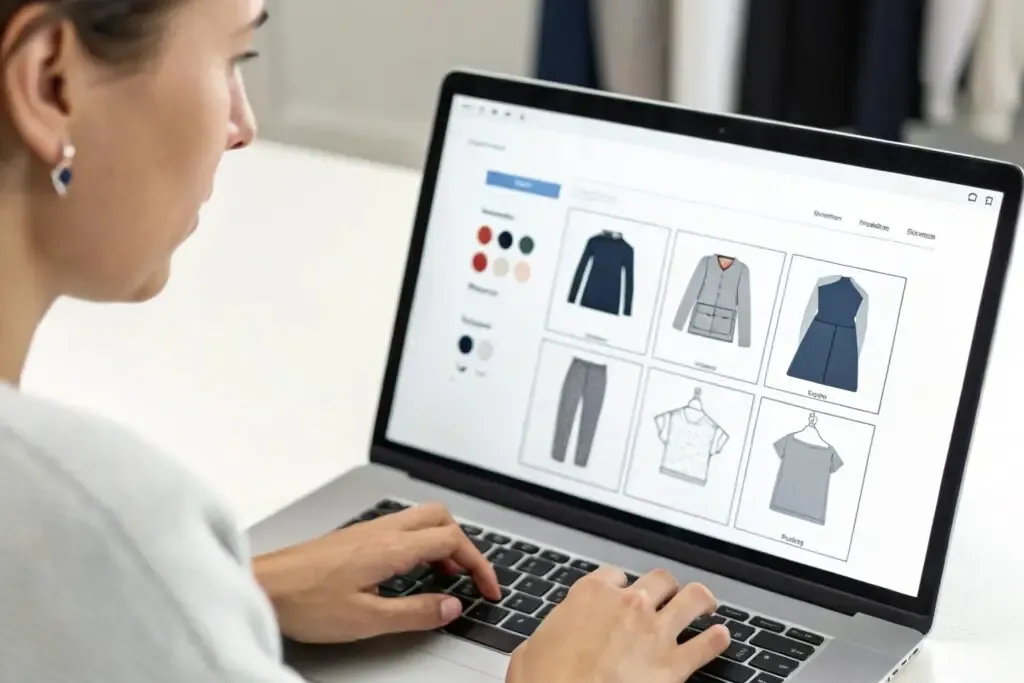
- Virtual Try-Ons: Tech packs feed directly into the e-commerce business. It improves the overall fashion creation with the technology. A business is preparing what is demanded in the market. Fashion has now gone beyond the “Virtual Fitting Rooms.”
- Physics-Based Simulation: The modern-day tech pack is prepared after real-time simulation. A tech pack can predict how an article would appear on the body. Designers will be expected to simulate gravity, wind, and body movement on virtual fabrics to predict garment performance.
2. The Rise of “Sustainable Engineering.”
The Digital Product Passport (DPP) is the guardian of certain clothing. The tech pack includes the tiniest of details of fashion design. It has a structure of stitching every piece and button. The tech pack records each stitch and seam on garments.
- Circular Design: The tech pack has all the information about the engineering garments. It allows for 100% recycling at the end of the product’s life.
- Real-Time Carbon Tracking: It calculates the carbon footprint of a garment based on the materials. Provide informtion different materials used in the preparation of a garment.
3. AI-Orchestration (Human-in-the-Loop)
The emergence of an improvement in the overall tech pack structure. It is now easy to forecast the exact measurements for different sizes with the help of the AI. Expert designers can bring more accuracy and creativity to the production.
- Generative Specs: In our era, AI handles the “grunt work” of writing measurements for different kinds of fashion. A human expert, with the help of AI, focuses on complex fit issues and aesthetic refinement.
- Predictive Manufacturing: AI will analyze historical factory data to suggest stitching methods. Predictive manufacturing helps to generate products aligned with the consumers’ demand.
Future Prospect Comparison
| Industry Era | Primary Tool | Key Deliverable | Demand Level |
| Traditional (2010s) | Excel & Illustrator | 2D PDF Spec Sheet | Medium |
| Modern (2020-2025) | CLO3D / Browzwear | 3D Digital Sample | High |
| Future (2026+) | AI + PLM + Blockchain | Digital Product Passport | Extremely High |
Take Away
The tech pack maker is supported by the AI softwares, which increases the overall accuracy and qulity of the fashion. This is the main reason fast fashion is practiced today, as it takes only a week or two to produce a new article of fashion.
Disclaimer
The information presented in this article is for general informational and educational purposes only. The views and future projections regarding the role of the Tech Pack Maker, emerging technologies, AI integration, sustainability practices, and digital transformation in the fashion industry are based on current trends, industry observations, and publicly available insights. They do not constitute professional, technical, business, or legal advice.
While every effort has been made to ensure accuracy, the fashion and technology sectors are rapidly evolving, and actual developments, tools, workflows, and market adoption may differ from those described. Readers are encouraged to conduct their own research and consult with qualified industry professionals before making business, career, or investment decisions based on the content of this article.