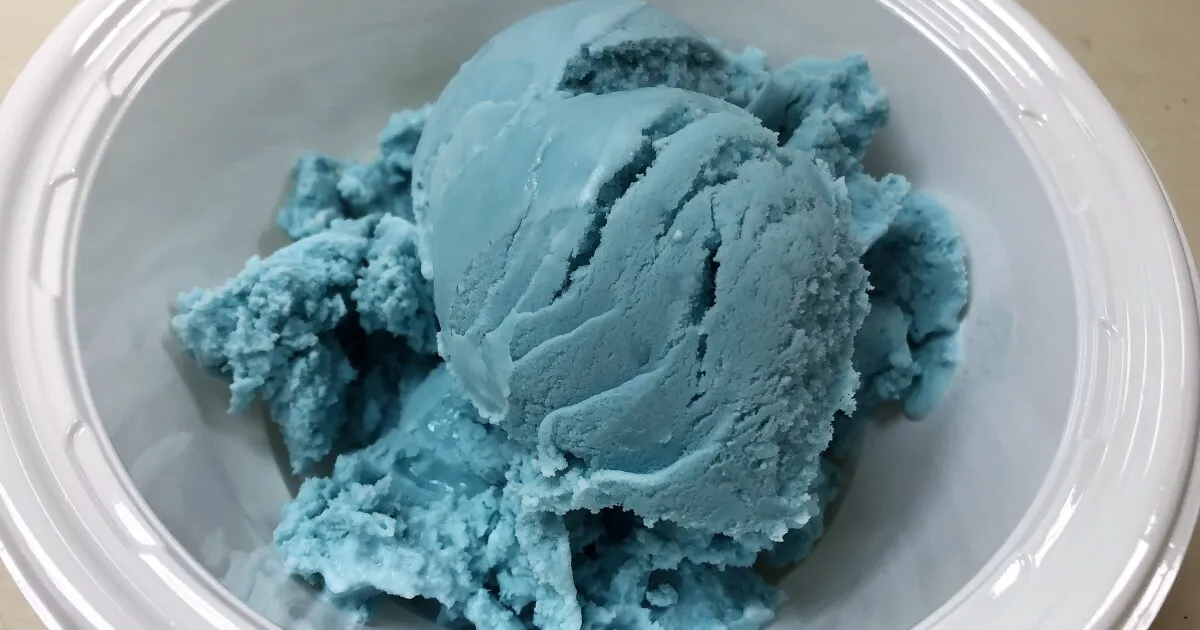
Color strongly influences how food is perceived. Before taste, aroma, or texture come into play, appearance shapes expectations. As ingredient awareness continues to grow, the demand for natural food colors has steadily increased across food manufacturing and home cooking. Among the full color spectrum, blue has historically been one of the most challenging shades to achieve naturally — making natural blue food coloring a particularly interesting area of innovation.
The shift toward plant-based pigments reflects changing priorities around transparency, clean labeling, and recognizable ingredient sourcing.
What Are Natural Food Colors?
Natural food colors are pigments derived from naturally occurring sources such as fruits, vegetables, algae, spices, and edible plants. Instead of being synthetically created in laboratories, these pigments are extracted and processed from materials found in nature.
Examples of commonly used natural pigments include:
- Yellow tones from turmeric
- Red hues from beetroot
- Green shades from leafy plants
- Orange colors from paprika
- Blue pigments from algae or botanical sources
The growing preference for natural food colors is closely linked to evolving consumer expectations. Ingredient lists are being examined more carefully, and products featuring recognizable sources often resonate more strongly with buyers seeking transparency.
While synthetic dyes offer intense color and long shelf stability, natural alternatives are valued for their alignment with plant-based and clean-label trends.
Why Natural Blue Food Coloring Is Unique
Among all natural pigments, blue has historically been one of the most difficult to source and stabilize. True blue shades are rare in nature compared to reds, yellows, and greens. This rarity has made natural blue food coloring both technically complex and highly sought after.
Today, natural blue shades are commonly derived from:
- Spirulina extracts
- Certain botanical flower sources
- Algae-based pigments
These sources allow manufacturers to achieve tones ranging from soft sky blue to deeper vibrant shades, depending on concentration and formulation.
As part of the broader category of natural food colors, blue pigments are often used alone or blend with yellow pigments to create green tones.
Applications of Natural Blue Food Coloring
Natural blue food coloring is increasingly use across multiple food categories where visual impact plays an important role.
Common applications include:
- Confectionery and candy coatings
- Frostings and decorative icings
- Ice creams and frozen desserts
- Beverages and smoothies
- Novelty bakery products
Because blue is often associat with creativity and uniquenes, it is widely use in specialty and seasonal products. Within the spectrum of natural food colors, blue pigments add diversity and visual distinction to product lines.
In some formulations, blue is combine with other natural pigments to achieve customized shades without relying on artificial dyes.
Formulation Challenges with Natural Food Colors
Although demand for natural food colors continues to rise, their use involves technical considerations. Blue pigments are especially sensitive compare to other natural shades.
Key challenges for natural blue food coloring may include:
- Sensitivity to heat and processing conditions
- Instability in acidic environments
- Light exposure affecting color intensity
- Higher production complexity compared to synthetic alternatives
These factors require careful formulation and stabilization strategies to ensure consistent shade performance and shelf stability.
Transitioning from synthetic blue dyes to natural alternatives often involves product testing and recipe adjustments rather than simple substitution.
The Growing Importance of Natural Food Colors
Innovation in pigment extraction and stabilization is helping expand the practical use of natural food colors. Advances in agricultural sourcing and processing techniques are improving reliability and color intensity across applications.
As consumer expectations continue to evolve, natural blue food coloring is becoming more viable for mainstream food production. The shift toward plant-based ingredients reflects broader changes in how transparency and sourcing influence purchasing decisions.
Rather than being a short-term trend, the movement toward natural pigments signals a deeper transformation in food formulation strategies.
Conclusion
The rising interest in natural food colors demonstrates a growing emphasis on ingredient awareness and clean-label positioning. Within this evolving landscape, natural blue food coloring represents both innovation and progress — offering plant-based solutions for one of the most challenging hues in the color spectrum.
Although formulation challenges remain, ongoing research continues to expand possibilities. As food development advances, naturally sourced pigments are likely to remain central to how color, trust, and visual appeal intersect in modern products.
Disclaimer
This article is provided for informational purposes only and does not constitute food science, regulatory, or manufacturing advice. The suitability, stability, and performance of natural food colors, including natural blue food coloring, may vary depending on formulation, processing conditions, storage environment, and regional regulations. Manufacturers and food developers should conduct appropriate testing and consult with qualified food scientists or regulatory professionals before making formulation or labeling decisions. The author is not responsible for any outcomes resulting from the use of the information presented in this content.