Introduction
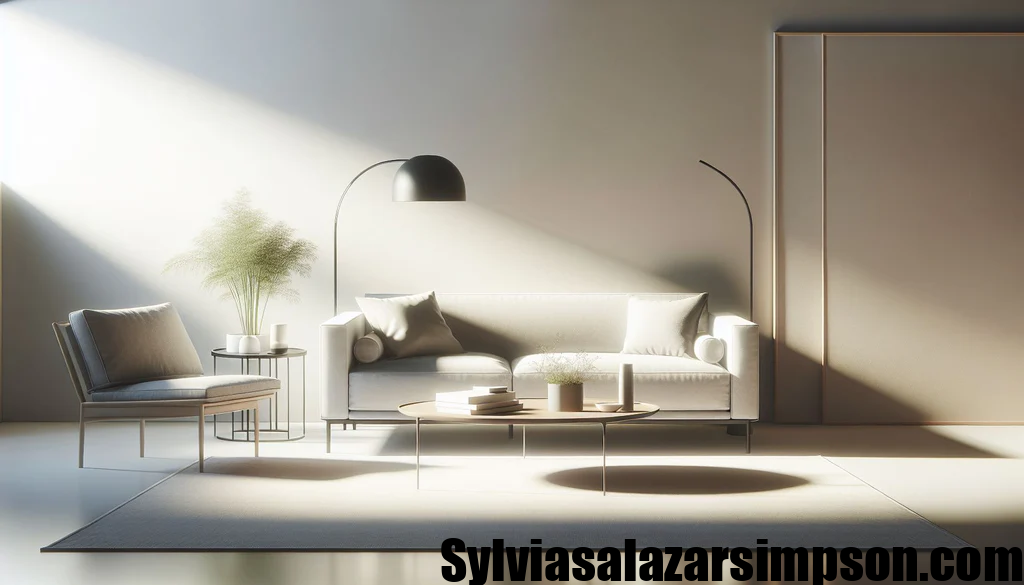
Minimalist design has become one of the most influential trends in modern interiors, transforming how people think about space, functionality, and aesthetics. Rooted in simplicity, clean lines, and intentional living, minimalism is not just a style it’s a lifestyle that prioritizes clarity, openness, and purpose.
As homeowners move away from cluttered and overly decorative spaces, materials play a critical role in achieving the minimalist look. Among these, glass has emerged as a leading element. Its transparency, versatility, and modern appeal make it the perfect material for creating interiors that feel both elegant and spacious.
Understanding Minimalist Design
Minimalism is built on the principle of “less is more.” Instead of filling a space with unnecessary items, it focuses on:
- Clean and simple layouts
- Neutral color palettes
- Functional furniture
- Open and uncluttered spaces
The goal is to create an environment that feels calm, organized, and visually balanced. This is where materials like glass play a crucial role they enhance simplicity without sacrificing sophistication.
According to Architectural Digest, minimalist interiors rely heavily on materials that reflect light and maintain visual openness, helping spaces feel larger and more breathable.
Why Glass Fits Perfectly in Minimalist Interiors
Glass aligns seamlessly with minimalist principles for several reasons:
Transparency Creates Visual Space
One of the biggest advantages of glass is its ability to make spaces appear larger. Unlike solid materials, glass allows light to pass through, maintaining visual continuity.
For example, replacing a bulky wooden table with sleek custom glass tops can instantly make a room feel more open and less crowded. Transparent furniture reduces visual weight, which is essential in minimalist design.
Enhancing Natural Light
Minimalist interiors rely heavily on natural light. Glass amplifies this by reflecting and distributing light throughout a room.
- Glass surfaces brighten darker corners
- Reflective properties create depth
- Rooms feel more welcoming and airy
This is especially important in smaller homes or apartments where maximizing light can significantly improve the overall atmosphere.
Clean Lines and Modern Aesthetics
Glass naturally complements the clean lines that define minimalist design. Whether used in tables, partitions, or shelving, it provides a sleek and polished look.
Its neutral appearance also makes it easy to pair with other materials like:
- Metal for a contemporary feel
- Wood for warmth and contrast
- Stone for a luxurious touch
The result is a balanced design that feels modern yet timeless.
Glass Furniture: Minimalism in Action
Furniture plays a central role in minimalist interiors, and glass has become a popular choice for modern pieces.
Glass Table Tops
Glass table tops are a perfect example of how functionality meets minimalism. They:
- Maintain openness in a room
- Reflect light for a brighter space
- Pair easily with various base materials
Unlike bulky furniture, glass tables create the illusion of space while still serving practical purposes.
Glass Shelving and Storage
Storage is essential, but in minimalist design, it should never feel overwhelming. Glass shelves offer:
- Visibility without heaviness
- Clean and simple lines
- A modern, uncluttered look
They allow homeowners to display items without making the space feel crowded.
Safety Meets Style: The Role of Tempered Glass
While glass is often associated with fragility, modern advancements have made it incredibly strong and safe. This is where custom cut to size toughened glass becomes essential.
Tempered glass is specially treated to increase its strength and durability. It is commonly used in:
- Table tops
- Shower enclosures
- Glass doors
- Interior partitions
Its key advantage is safety if broken, it shatters into small, less harmful pieces instead of sharp shards. According to The Spruce, tempered glass is widely used in modern homes because it combines durability with sleek design, making it ideal for minimalist interiors:
Glass in Architectural Features
Beyond furniture, glass is increasingly used in structural and architectural elements within homes.
Glass Partitions
Open-plan living is a hallmark of minimalist design. Glass partitions help define spaces without blocking light or visibility.
They are ideal for:
- Separating living and dining areas
- Creating home offices
- Dividing rooms while maintaining openness
Glass Doors and Windows
Large glass doors and windows enhance the connection between indoor and outdoor spaces. They:
- Allow maximum natural light
- Provide unobstructed views
- Make interiors feel more expansive
Sliding glass doors, in particular, are a popular choice in modern homes.
Staircases and Balustrades
Glass staircases and railings add a contemporary touch while maintaining safety. They:
- Create a floating visual effect
- Reduce visual clutter
- Enhance modern aesthetics
Minimalism and Sustainability
Minimalist design is closely linked to sustainability. By focusing on fewer, high-quality materials, homeowners reduce waste and create longer-lasting interiors.
Glass supports this approach because it is:
- Durable and long-lasting
- Recyclable
- Easy to maintain
Choosing glass elements aligns with eco-friendly living while maintaining a modern aesthetic.
Design Tips for Using Glass in Minimalist Homes
To achieve the best results, consider these practical tips:
Keep It Balanced
Avoid overusing glass. Combine it with other materials to create contrast and warmth.
Focus on Functionality
Choose pieces that serve a purpose while enhancing the overall design.
Maintain Cleanliness
Glass surfaces require regular cleaning to maintain their clarity and appeal.
Use Strategic Placement
Place glass furniture in areas where it can maximize light and space.
The Future of Minimalist Design
As modern living continues to evolve, minimalist design is expected to remain a dominant trend. With increasing urbanization and smaller living spaces, the need for efficient, open, and functional interiors is greater than ever.
Glass will continue to play a key role in this evolution due to its:
- Versatility
- Aesthetic appeal
- Practical benefits
From smart homes to sustainable architecture, glass is shaping the future of interior design.
Conclusion
Minimalist design is more than just a trend, it’s a reflection of modern living. By focusing on simplicity, functionality, and intentional choices, homeowners can create spaces that are both beautiful and practical.
Glass stands at the forefront of this movement, offering a unique combination of transparency, elegance, and strength. Whether through glass table tops that enhance openness or custom glass that ensures safety, this material continues to redefine modern interiors.
As the demand for clean, open, and efficient spaces grows, glass will remain a key element in shaping homes that are not only stylish but also perfectly aligned with the principles of minimalist design.