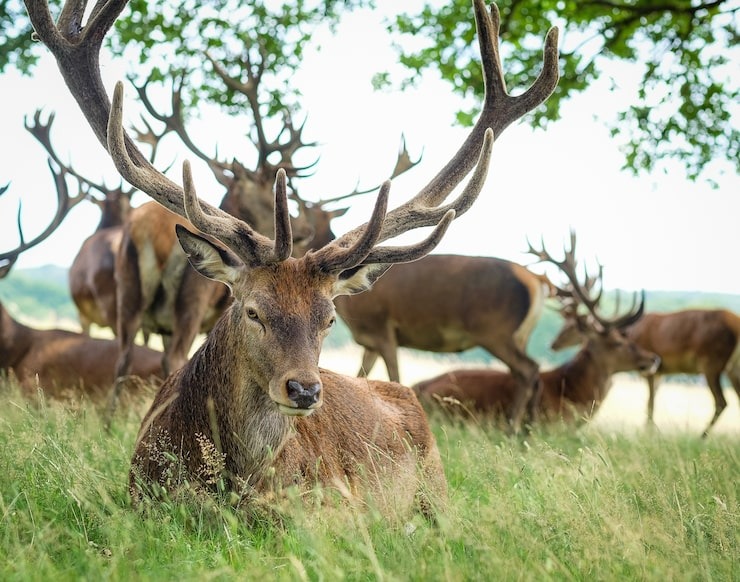
Viltnemnda represents one of the most distinctive and effective approaches to wildlife management in modern governance. Operating at the municipal level in Norway, Viltnemnda serves as a bridge between national environmental policy and local ecological realities. Its primary purpose is to ensure that wildlife populations are managed sustainably while balancing ecological integrity, public safety, land use, and cultural traditions such as hunting.
Unlike centralized wildlife authorities, Viltnemnda functions close to the landscape it manages. This local positioning allows the committee to respond to real conditions rather than abstract models. Forest density, agricultural patterns, climate variation, and migration routes differ from one municipality to another, and Viltnemnda exists precisely to adapt wildlife management to these local differences.
Legal Framework and Municipal Authority Behind Viltnemnda
Viltnemnda is grounded in Norwegian wildlife and hunting legislation that assigns responsibility for wildlife management to municipalities. The law recognizes wildlife as a shared national resource that must be managed responsibly to protect biodiversity while allowing regulated use. Within this framework, municipalities are legally obligated to establish a wildlife committee, giving Viltnemnda formal authority to act on behalf of the community.
This legal structure ensures that Viltnemnda does not function as an informal advisory group but as an officially recognized body with decision-making power. While national regulations provide boundaries and standards, Viltnemnda interprets and applies these rules at the local level. This layered governance system ensures consistency across the country while allowing flexibility where ecological conditions demand it.
The result is a governance model where responsibility is shared rather than centralized, increasing accountability and long-term effectiveness.
Composition and Decision-Making Structure of Viltnemnda
Viltnemnda is typically composed of members appointed by the municipal council. These individuals often bring practical experience rather than purely academic credentials. Hunters, landowners, forestry professionals, and people with deep local knowledge commonly serve on the committee. This practical expertise is essential, as wildlife management frequently requires nuanced judgment rather than rigid rule enforcement.
Decision-making within Viltnemnda is collective and deliberative. Members discuss population data, local observations, seasonal changes, and stakeholder concerns before reaching conclusions. Because members live and work in the same areas affected by their decisions, accountability is both professional and personal.
This structure encourages balanced decisions that consider long-term ecological outcomes rather than short-term political or economic pressure.
Wildlife Population Assessment and Ecological Balance
A core responsibility of Viltnemnda is maintaining healthy and balanced wildlife populations. Wildlife populations naturally fluctuate due to climate, food availability, disease, and human activity. Without oversight, these fluctuations can lead to serious problems such as habitat degradation, biodiversity loss, or increased risk to human life.
Viltnemnda evaluates population trends using harvest data, local observations, and ecological knowledge. The goal is not to maximize or minimize animal numbers but to maintain balance within the ecosystem. Overpopulation can result in forest damage and agricultural losses, while underpopulation can weaken ecosystems and reduce genetic diversity.
By continuously monitoring conditions, Viltnemnda ensures that wildlife populations remain resilient and capable of adapting to environmental change.
Hunting Management as a Tool for Sustainability
In Norway, hunting is both a cultural tradition and a wildlife management tool. Viltnemnda plays a central role in ensuring that hunting supports sustainability rather than undermines it. The committee contributes to decisions about hunting quotas, timing, and species management based on local conditions.
Rather than viewing hunting solely as recreation, Viltnemnda treats it as a regulated method of population control. Ethical standards are emphasized, including humane practices, respect for animal welfare, and full utilization of harvested animals. This ethical foundation helps maintain public confidence in hunting as a legitimate part of wildlife management.
By aligning hunting practices with ecological needs, Viltnemnda helps preserve both wildlife populations and cultural heritage.
Addressing Human–Wildlife Conflict Through Local Solutions
Human–wildlife conflict is one of the most challenging aspects of modern wildlife management. As infrastructure expands and land use intensifies, interactions between people and wild animals become more frequent. Viltnemnda plays a critical role in managing these situations calmly and fairly.
Conflicts may involve crop damage, livestock predation, or wildlife entering residential areas. Viltnemnda evaluates each case individually, considering both human concerns and animal welfare. Solutions often focus on prevention and mitigation rather than elimination, reflecting a commitment to coexistence.
Because Viltnemnda operates locally, it can respond quickly and tailor solutions to specific circumstances, reducing tension and fostering trust within the community.
Public Safety and Wildlife-Related Incidents
Large wildlife species pose significant risks to public safety, particularly in traffic environments. Collisions with animals such as moose or deer can cause serious injury or death. Viltnemnda plays an essential role in responding to these incidents and preventing future occurrences.
When accidents occur, Viltnemnda often coordinates follow-up actions, including tracking injured animals and ensuring humane outcomes. The committee also contributes to preventive strategies, such as identifying high-risk areas and supporting measures that reduce collision frequency.
Through this work, Viltnemnda demonstrates how wildlife management directly contributes to human safety while maintaining ethical responsibility toward animals.
Cooperation with Landowners, Farmers, and Hunters
Effective wildlife management depends on cooperation among those who interact with wildlife daily. Viltnemnda actively engages with landowners, farmers, and hunters to gather information and align management strategies.
Farmers provide insight into crop damage and seasonal wildlife movement, while hunters contribute observations from the field. Landowners play a key role in habitat management and access control. Viltnemnda integrates these perspectives into decision-making, ensuring that policies are practical and widely supported.
This collaborative approach reduces conflict and reinforces the idea that wildlife management is a shared responsibility rather than a top-down mandate.
Education, Awareness, and Community Engagement
Viltnemnda also plays an educational role within the municipality. By explaining wildlife behavior, management decisions, and safety guidelines, the committee helps residents understand their role in coexistence with nature.
Public awareness reduces fear and misinformation, which are common drivers of conflict. When people understand why certain animals are protected, regulated, or managed, they are more likely to support conservation efforts and comply with regulations.
Education ensures that wildlife management is not only enforced but understood, strengthening its long-term effectiveness.
Environmental Change and the Evolving Role of Viltnemnda
Climate change, habitat fragmentation, and changing land use patterns are transforming wildlife behavior. Migration routes shift, breeding cycles change, and new species may appear in areas where they were previously absent. Viltnemnda must continuously adapt to these changes.
This evolving role requires flexibility, local knowledge, and long-term thinking. Viltnemnda’s decentralized structure allows it to adjust quickly, making it particularly well-suited to addressing environmental uncertainty.
As challenges grow more complex, Viltnemnda’s role as a local decision-maker becomes increasingly valuable.
Why Viltnemnda Is a Model for Sustainable Governance
Viltnemnda illustrates how environmental governance can succeed when responsibility is shared between national authorities and local communities. By combining legal authority, local expertise, and ethical principles, Viltnemnda achieves outcomes that centralized systems often struggle to deliver.
Its success lies in balance—between use and protection, tradition and innovation, human needs and ecological limits. This balance makes Viltnemnda not just a wildlife committee, but a cornerstone of Norway’s broader sustainability framework.
Conclusion: The Lasting Importance of Viltnemnda
Viltnemnda stands as a powerful example of how wildlife management can be both effective and humane. Through population control, conflict resolution, public safety efforts, and community engagement, it ensures that wildlife remains a thriving part of the Norwegian landscape.
As environmental pressures intensify worldwide, the principles embodied by Viltnemnda—local responsibility, ethical management, and ecological balance—are more relevant than ever. Its continued work safeguards not only wildlife, but the relationship between people and nature for generations to come.