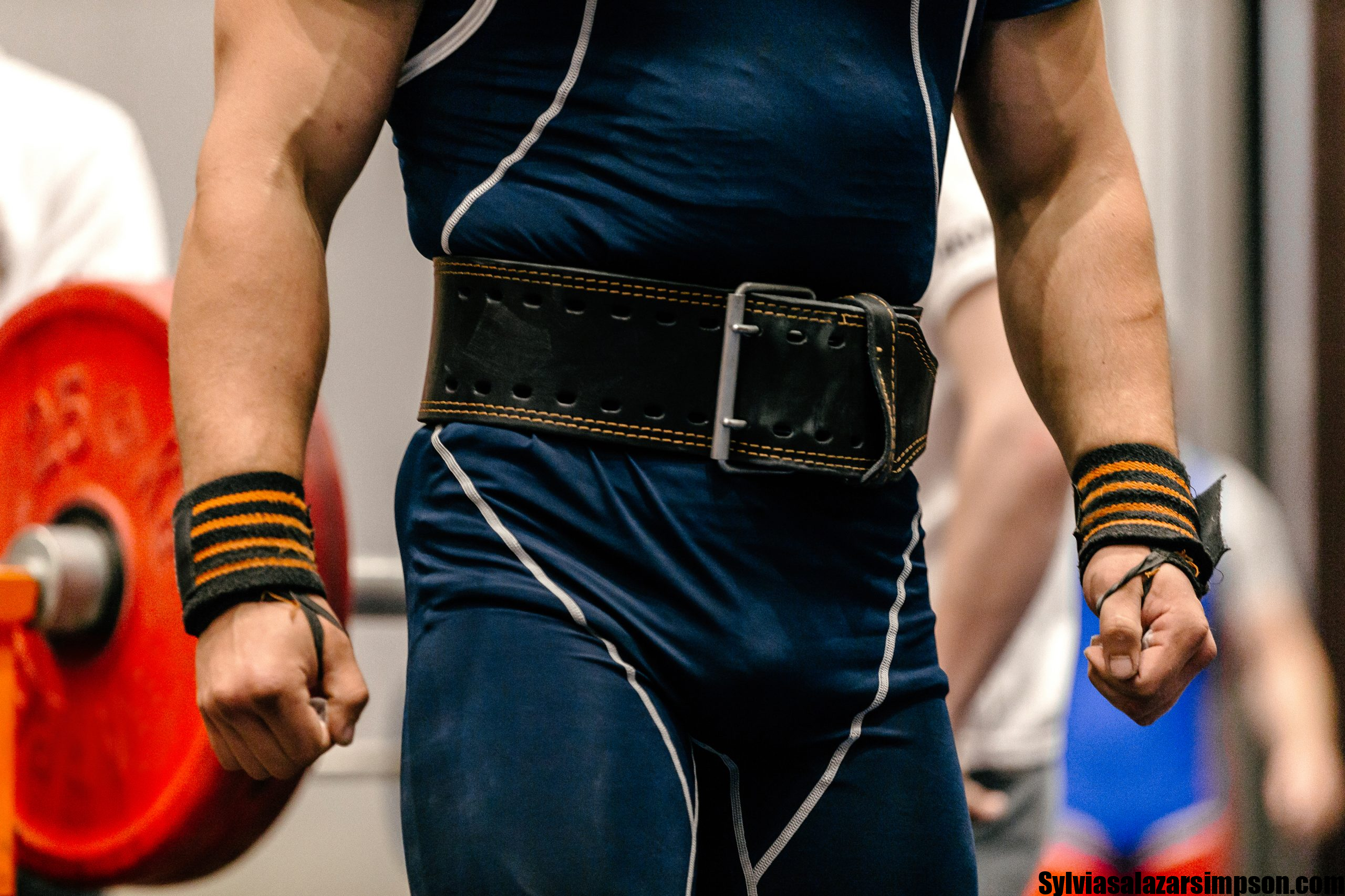
The sight of a thick leather strap cinched around a lifter’s waist is a staple in gyms from Perth to Sydney. To the uninitiated, weightlifting belts look like a bit of a fashion statement or perhaps a security blanket for the ego. However, anyone who has ever felt their spine ripple under a heavy squat knows these tools are far more than gym accessories. They are precision instruments designed to manage pressure and protect the structural integrity of your torso.
Understanding why Australians are increasingly reaching for these belts requires a look at how our bodies handle load. It is not just about “supporting the back” in a passive sense. It is about creating a rigid cylinder of strength that keeps you upright when the iron wants to fold you in half.
The Science of the “Cylinder”
Most people assume a belt acts like a corset, holding your spine in place from the outside. That is actually a bit of a myth. The real magic happens inside your gut. When you take a deep breath into your belly and brace against a belt, you increase intra-abdominal pressure.
Think of an unopened can of soft drink. It is incredibly hard to crush because of the internal pressure. Once you pop the tab and that pressure escapes, the aluminium folds easily. Your core works the same way. By providing a solid wall for your abs to push against, weightlifting belts help you maintain that internal pressure, which in turn keeps your vertebrae from shifting under stress.
When Should You Strap On?
You do not need a belt to do bicep curls or a light stroll on the treadmill. Overusing a belt for every movement can actually lead to a “lazy” core because you never learn to create that internal pressure on your own.
Typically, Aussie lifters save the belt for:
- Compound movements like squats, deadlifts, and overhead presses.
- Sets where the weight exceeds 80% of your maximum capacity.
- Workouts where fatigue starts to compromise your form.
If you find yourself struggling with stability even during lighter movements, it might be worth looking at your overall mobility. Sometimes, a lack of balance or foot pain can throw your entire lift off. For instance, if you are recovering from a lower limb injury, using a plantar fasciitis foot strap can help stabilise your base before you even worry about your back.
Choosing Your Gear: Leather vs. Nylon
Not all belts are built the same. The choice usually comes down to what you are trying to achieve in your training session.
| Belt Type | Best For | Pros | Cons |
| Leather (Prong/Lever) | Powerlifting, Heavy Squats | Maximum rigidity and longevity | Can be uncomfortable or “dig in” |
| Nylon/Velcro | CrossFit, General Fitness | Flexible, easy to adjust quickly | Provides less extreme pressure |
The Kinetic Chain of Safety
Living an active life in Australia often means balancing gym time with outdoor adventures or sports. Safety does not stop at the weight rack. Injury prevention is about looking at the whole body. While a belt protects your midline, you might find that you need different types of support for other activities.
If a gym injury has sidelined you, or if you are managing a long-term condition, you might be looking into aids for walking to maintain your independence during recovery. Similarly, for those dealing with specific strains or post-surgical needs, a Suspensory Testicular Supporter provides the necessary comfort to stay mobile without further irritation. Your body is an interconnected system; a belt is just one piece of the puzzle.
How to Wear It Properly
A common mistake is wearing the belt too low, like a pair of jeans. It needs to sit across the small of your back and over your navel. It should be tight enough that it is slightly uncomfortable when you are relaxed, but allows enough room for your stomach to expand when you take a big “belly breath.”
If you can breathe easily and hold a conversation, it is likely too loose. If you cannot complete a full range of motion because the belt is hitting your ribs or hips, try shifting it up or down a centimetre. Every body shape is different, so play around with the positioning until you find that “sweet spot” of tension.
Wrapping Up the Heavy Sets
At the end of the day, your health is your most valuable asset. Whether you are a casual gym-goer or a competitive athlete, using the right tools at the right time is the hallmark of a smart trainee. Weightlifting belts are a fantastic way to push your limits while keeping your spine in the safe zone.
Listen to your body, train with intent, and don’t be afraid to use the support you need to keep moving forward.
Frequently Asked Questions
1. Will wearing a weightlifting belt make my core weak?
Ans. No, as long as you do not rely on it for every single set. If you continue to train your core without a belt during your warm-ups and lighter sets, a belt will actually help you learn how to engage your muscles more effectively during heavy lifts.
2. Can I wear a belt if I have an existing back injury?
Ans. You should always consult with a physiotherapist or GP first. While a belt provides stability, it is not a cure for a herniated disc or structural damage. It is a preventative tool, not a medical fix.
3. How tight should the belt be?
Ans. It should be tight enough that you have to “brace” into it to feel the support, but not so tight that it restricts your ability to take a full breath or causes you to faint.
4. Do I need a lever belt or a prong belt?
Ans. Lever belts are great because they flick on and off instantly, which is nice between heavy sets. Prong belts are more adjustable if your waist size fluctuates or if you want a different tightness for squats versus deadlifts.
5. Are these belts only for professional bodybuilders?
Ans. Not at all. Any Australian looking to lift heavier weights safely can benefit from a belt. It is about biomechanics and safety, not just muscle size.