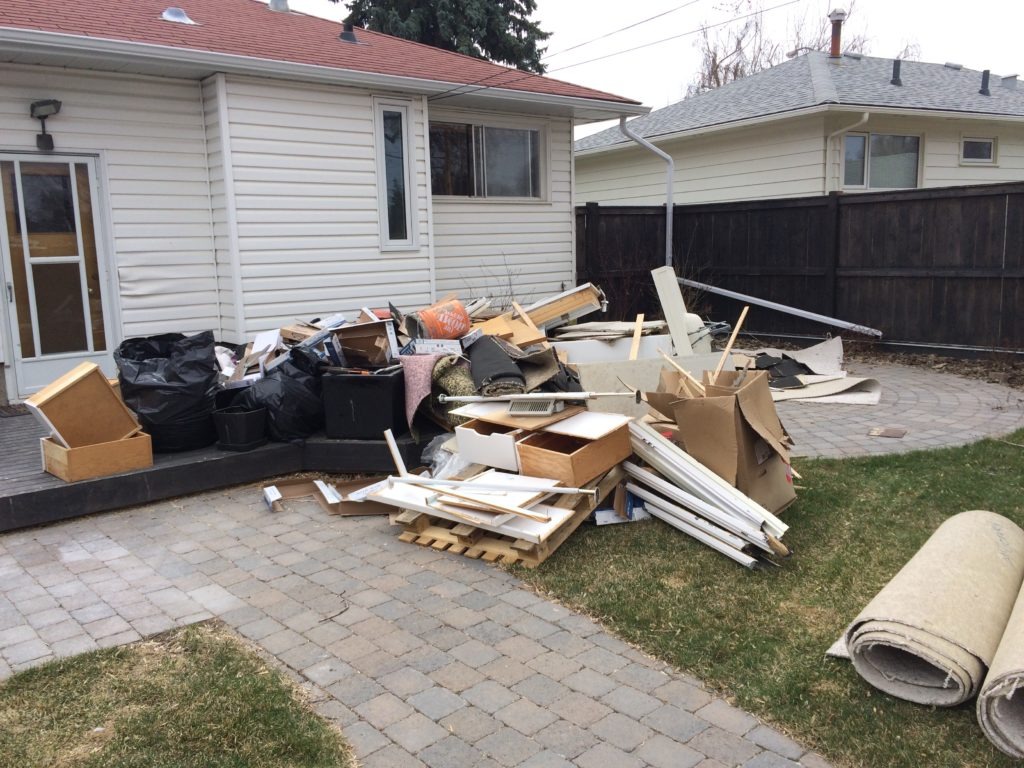
DIY home renovations give homeowners the opportunity to upgrade their spaces on their own terms. Whether removing old flooring, replacing cabinets, updating bathrooms, or refreshing interiors, renovation projects inevitably produce debris. What many homeowners underestimate is how important safe and compliant disposal practices are during the process.
Proper waste handling protects your property, reduces safety risks, and helps ensure materials are disposed of responsibly. Understanding how to manage common renovation materials makes DIY projects more organized and less stressful from start to finish.
Drywall and Plaster
Drywall and plaster are among the most common materials removed during DIY renovations. While they may seem harmless, broken pieces can create dust and sharp edges that pose minor safety risks.
Best practices include:
- Breaking materials into manageable sections before disposal
- Avoiding overfilling containers with dense debris
- Keeping drywall dry to prevent unnecessary weight gain
Because drywall can become heavy quickly, spreading it evenly in a disposal container helps prevent loading issues.
Flooring Materials
Flooring removal often generates a mix of materials, including tile, laminate, carpet, hardwood, and underlayment. Each material has different disposal considerations.
- Tile and stone are dense and heavy
- Carpet can trap dust and debris
- Hardwood may contain nails or fasteners
Homeowners should avoid mixing flooring waste with prohibited items and ensure heavy materials are loaded evenly to maintain container balance.
Cabinetry and Wood Debris
Cabinets, trim, and framing materials are common during kitchen or bathroom renovations. These items are often bulky but lighter than masonry materials.
To dispose of them safely:
- Remove protruding hardware when possible
- Break down large pieces to maximize space
- Stack materials neatly to prevent shifting
Careful loading reduces the risk of debris falling or becoming unstable during disposal.
Roofing and Exterior Materials
DIY roofing repairs or siding updates generate heavy and sometimes sharp materials. Asphalt shingles, flashing, and fasteners can create both weight and safety concerns.
Homeowners should:
- Wear protective gloves when handling debris
- Contain nails and small metal pieces
- Monitor weight accumulation closely
Roofing debris is heavier than it appears, so understanding weight limits is essential.
Paint, Solvents, and Chemicals
Certain renovation materials require special handling. Paint, solvents, adhesives, and cleaning chemicals should not be disposed of in standard dumpsters.
Local regulations often restrict these items due to environmental concerns. Homeowners should check local disposal guidelines and utilize designated hazardous waste programs when needed.
Keeping these materials separate prevents contamination and avoids complications during pickup.
Appliances and Fixtures
Renovations frequently involve replacing appliances, sinks, or lighting fixtures. Some appliances contain refrigerants or electronic components that require separate disposal.
Before placing such items in a container, confirm whether special handling is required. Many communities provide recycling options for appliances and electronic waste.
Separating these items helps ensure safe and compliant disposal.
Concrete and Masonry
Concrete, brick, and masonry materials are common in DIY patio, walkway, or foundation repairs. These materials are extremely dense and can quickly exceed weight allowances.
Homeowners should:
- Load concrete in smaller quantities
- Distribute weight evenly
- Confirm that the disposal container is rated for heavy debris
Understanding the weight profile of these materials prevents overloading and service delays.
Protecting Yourself During Disposal
Handling renovation debris presents safety considerations. Sharp edges, nails, dust, and heavy materials all increase injury risk.
Safe practices include:
- Wearing gloves and protective footwear
- Using eye protection when breaking materials
- Lifting with proper technique
- Avoiding overreaching when loading containers
Maintaining a clean loading area also reduces the risk of trips and falls.
Avoiding Overfilled Containers
Overfilling a dumpster creates safety hazards and may prevent transport. Materials should remain below the fill line and fully contained within the container.
Even if debris appears stable, protruding items can shift during pickup. Keeping waste properly contained supports safe removal.
Planning Disposal Before Demolition Begins
One of the most effective safe disposal practices is planning ahead. Arranging for appropriate waste removal before demolition starts prevents debris from piling up in work areas.
Without a structured disposal plan, materials may be moved multiple times, increasing strain and clutter. Having a clear system in place keeps the renovation site organized and easier to navigate.
Working With Reliable Waste Providers
DIY homeowners benefit from working with providers experienced in residential renovation projects. Clear communication about material types and project scope ensures the chosen disposal method aligns with local regulations and weight considerations.
Many homeowners coordinate with services such as Waste Removal USA to manage renovation debris safely and efficiently. Having a dedicated disposal solution simplifies logistics and supports a cleaner project environment.
Keeping Renovation Sites Organized
Safe disposal practices contribute directly to overall organization. Removing debris incrementally prevents clutter and allows homeowners to focus on installation and finishing work.
Consistent cleanup reduces stress and makes the final phase of the renovation more manageable.
DIY renovations produce a wide range of materials, each with unique disposal considerations. By understanding how to handle drywall, flooring, wood, roofing materials, appliances, and hazardous items properly, homeowners can maintain safer and more organized project sites.
Planning disposal in advance, loading containers carefully, and following local guidelines all contribute to smoother renovation experiences. When safe disposal practices are integrated into every stage of a DIY project, homeowners protect their property, reduce risk, and complete renovations with greater confidence and control.