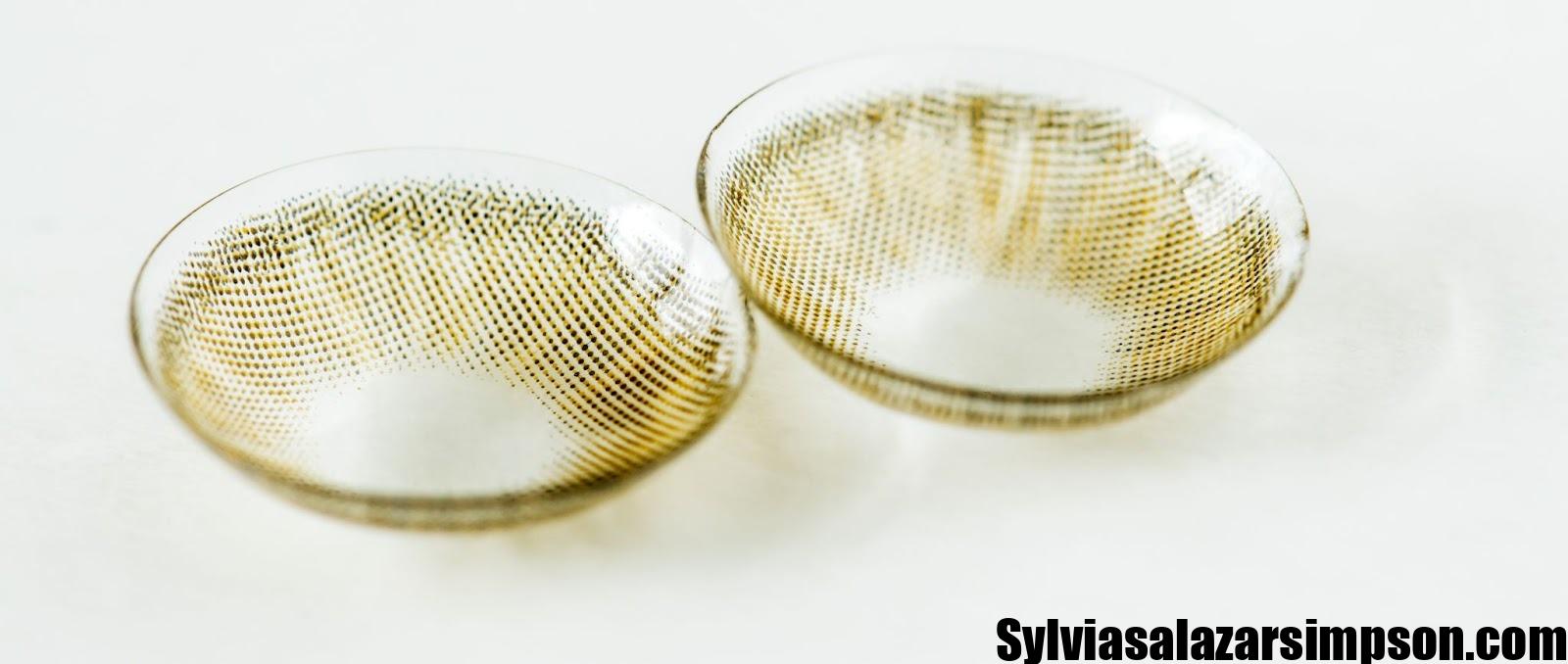
Contact lenses are some of the best and most convenient options to have when it comes to improving eyesight. However, it may be a challenge to choose between single vision or multiple focal contact lenses, especially when one is unsure of how each one of them works. They are both designed to correct vision problems; each of them is available in various specifications depending on the prescription and age. Being aware of their differences can help you to select the right lenses to wear every day and see better. We are going to tell you all you need to know in a friendly and interesting layout in this article.
What Are Contact Lenses and Why Are They Important?
Contact lenses are a type of thin optical lens that is fitted on the eye surface and corrects refractive defects such as farsightedness, nearsightedness, astigmatism and age-induced changes. They provide a wider field of vision than glasses and they move with the eye as naturally. The current contact lenses are made of soft breathable materials that make the eyes comfortable throughout the day. These are especially useful to the working population, especially people who are active and people who do not feel like wearing glasses. The right type is also required to allow maximum visual clarity with several designs to be taken into consideration.
Common Types of Contact Lenses
Contact lenses are available in different shapes: daily contact, weekly, monthly, toric and multifocal. All of them are designed to fulfill a vision requirement. Single-vision lenses are the most popular, but multifocal contact lenses are becoming popular among adults over 40 years. Understanding the contrast between these types of lenses is useful to allow users to better decide on their eye care and comfort.
What Are Single-Vision Contact Lenses?
Single-vision contact lenses are used to correct only one of the fields of vision. This implies that they either assist you in seeing things clearly at a distance, near-sighted, or intermediate, like using a computer. These lenses are normally prescribed to correct nearsightedness (myopia) or farsightedness (hyperopia). They have the same prescription power throughout the entire lens surface. Their simple design makes them often easier to adapt to, and they tend to be cheaper than complicated types of lenses. Single vision lenses are used when a person is young and does not have multiple vision corrections.
Who Should Use Single-Vision Contact Lenses?
Single-vision contact lenses are most appropriate when an individual requires only one correction. An example includes students, office workers, and drivers who require clear distance vision the most. They offer keen and clear focus, simplifying and increasing the comfort of daily activities.
What Are Multifocal Contact Lenses?
Multifocal contact lenses are those designed in a special way to help correct vision at more than one distance with a single lens. They are popular among individuals with presbyopia, which is a condition that affects near sight as individuals age, typically after the age of 40. Such lenses have varying prescriptions for short, middle, and long vision. This enables users to read, use screens and even view distant objects without alteration of glasses. Multifocal contact lenses are modern and provide a smooth transition between viewing distances, as well as enhanced visual comfort.
Why Multifocal Contact Lenses Are a Popular Choice?
Convenience is the greatest benefit of multifocal contact lenses. The users are able to carry out various functions without having to use special reading glasses. They are ideal to professionals, the elderly, and those who prefer to have an uninterrupted vision correction during the day. Their high-tech design is also useful in preserving a natural field of vision.
Key Differences Between Single-Vision and Multifocal Contact Lenses
The big difference is the number of corrections of vision each lens has. Single vision contact lenses provide a single viewing distance, whereas multifocal contact lenses provide multiple distances on a single lens. First-time users will find single-vision lenses to be easy and simple to wear. Alternatively, multifocal lenses are more flexible, particularly for the aging eye. There are also differences in cost, prescription needs, and the adaptation time between the two. The choice of the option is determined by your vision needs and your routine activities.
Which Option Is Better for You?
Single-vision lenses are normally best if you only require correction of distance or near vision. Nonetheless, when you are often alternating between reading, computer work, and distance viewing, multifocal contact lenses can be more convenient and comfortable. The correct fit would be determined by an eye specialist.
Conclusion
Both single vision and multifocal contact lenses provide great vision correction, yet the correct selection is a matter of individual requirements. Single vision lenses are straightforward and cost-effective and can be used to correct one type of vision and multifocal types of lenses give a variety of vision options. An eye care expert can best advise on the ideal pair of contact lenses to fit your lifestyle and prescription.