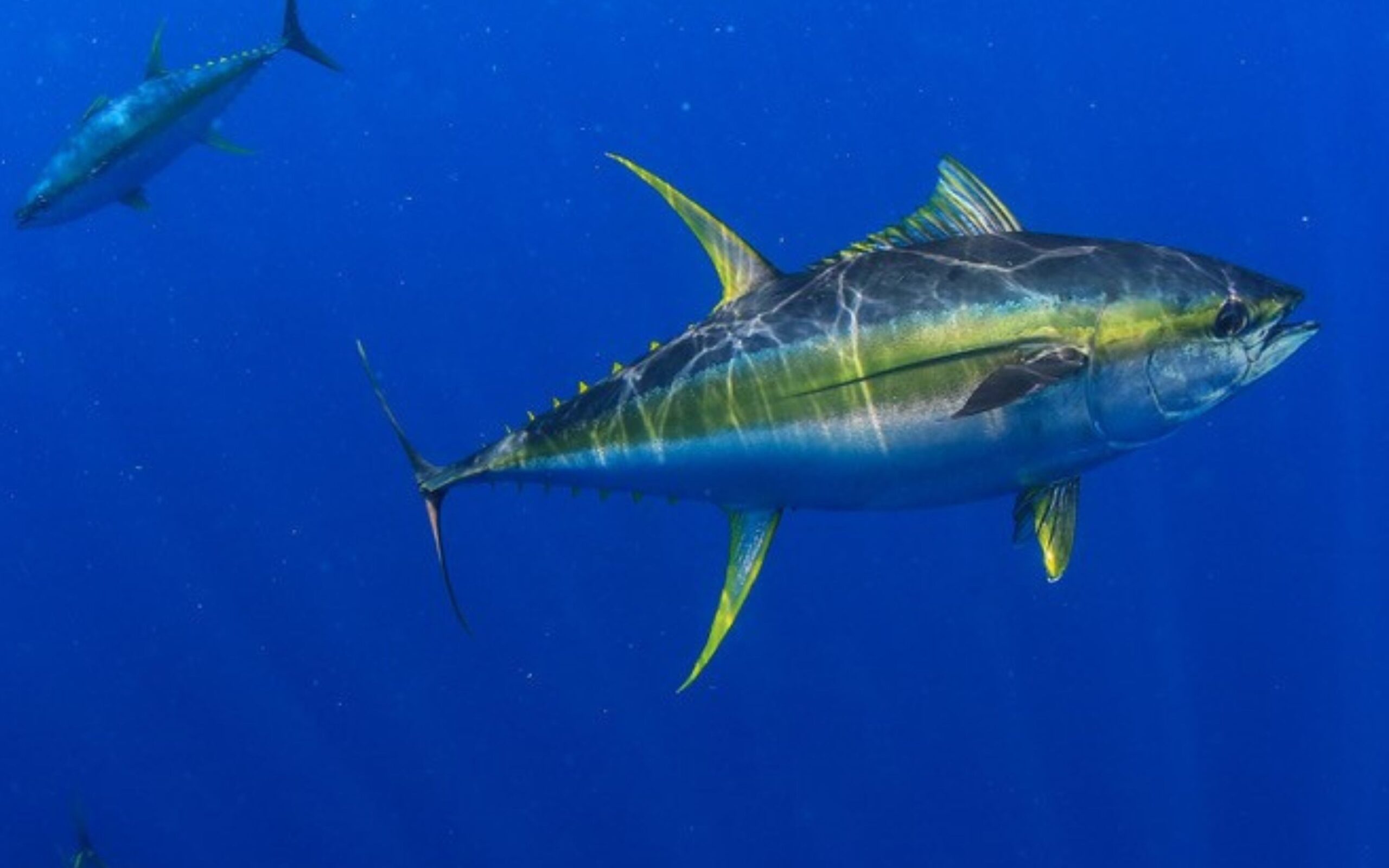
Introduction to Alaskan Seiti
Alaskan Seiti is one of the most widely consumed yet least recognized fish in the global seafood industry. Many people eat it every week without realizing its name. Found in frozen fillets, fish sandwiches, seafood snacks, and imitation crab products, Alaskan Seiti quietly supports millions of meals worldwide. While it may not carry the luxury reputation of salmon or halibut, its influence on global food systems is enormous.
Behind its mild flavor and affordable price lies a powerful story of sustainability, economic importance, and nutritional value. Alaskan Seiti is harvested in cold northern waters under strict scientific oversight, making it one of the most carefully managed fisheries in the world. Understanding this fish requires looking deeper into its identity, environmental record, and global role.
What Is Alaskan Seiti?
Alaskan Seiti is a trade name used in various markets for Alaska pollock, a species belonging to the cod family. It is not a different fish but rather a branding term often used in European and international retail settings to emphasize origin and quality. Scientifically, it is classified as Gadus chalcogrammus and shares many similarities with cod in both appearance and texture.
This fish thrives in the icy waters of the North Pacific Ocean, particularly in the Bering Sea and the Gulf of Alaska. Its populations are large, stable, and scientifically monitored, which contributes to its reliability as a global seafood resource. Because of its neutral taste and white flaky texture, Alaskan Seiti is highly adaptable for both home cooking and industrial food production.
Biological Profile and Natural Habitat
Physical Characteristics
Alaskan Seiti has a slender body with silvery sides and a darker olive-brown back. It can grow up to three feet long, although most commercially harvested fish are smaller. Its flesh is soft, white, and flakes easily when cooked. This texture makes it ideal for processing into fillets and value-added seafood products.
Habitat and Ocean Conditions
The natural habitat of Alaskan Seiti consists of cold, nutrient-rich waters in the North Pacific. The Eastern Bering Sea supports the largest stock, thanks to strong ocean currents that bring nutrients to the surface. These nutrients fuel plankton growth, which forms the base of the food chain supporting pollock populations.
Life Cycle and Behavior
Alaskan Seiti forms large midwater schools, sometimes stretching for miles. It spawns during late winter and early spring, releasing eggs that drift into productive feeding grounds. The species grows quickly due to abundant food availability and can live up to fifteen years in the wild. Its position lower in the marine food chain helps limit accumulation of heavy metals compared to larger predatory fish.
Nutritional Composition and Health Advantages
Alaskan Seiti offers an impressive nutritional profile, especially considering its affordability. A typical serving provides high-quality lean protein with minimal fat. This makes it suitable for individuals seeking healthy meal options without excessive calories.
Lean Protein Source
Protein plays a critical role in muscle repair, immune function, and overall body maintenance. Alaskan Seiti delivers substantial protein per serving while remaining low in saturated fat. For athletes and growing children, it serves as a dependable dietary staple.
Omega-3 and Essential Nutrients
Although it contains less omega-3 fatty acid than oily fish like salmon, Alaskan Seiti still contributes beneficial amounts that support heart and brain health. It also provides vitamin B12, which supports nerve function, and selenium, a powerful antioxidant mineral.
Low Contaminant Levels
Because it feeds on plankton and smaller organisms, Alaskan Seiti generally accumulates fewer contaminants such as mercury. This makes it a safe option for regular consumption within recommended dietary guidelines.
Sustainability and Responsible Fisheries Management
The sustainability record of Alaskan Seiti is one of its strongest advantages. The fishery operates under science-based quotas determined by annual stock assessments. Marine scientists conduct acoustic surveys and analyze biological samples to estimate population levels before setting catch limits.
Monitoring and Regulation
Fishing vessels operate under strict oversight. Real-time tracking systems monitor activity at sea, while onboard observers document catch volumes and bycatch rates. These systems ensure compliance with environmental standards and reduce the risk of overfishing.
Environmental Impact and Carbon Footprint
Compared with land-based animal protein sources, Alaskan Seiti has a relatively low carbon footprint per kilogram of protein produced. Its wild capture does not require feed production or freshwater resources, which strengthens its environmental profile.
Certification and Global Recognition
Certain pollock fisheries have earned sustainability certifications, reflecting responsible management practices. This recognition enhances consumer confidence and strengthens the species’ reputation in global markets.
Economic Power and Global Trade Influence
Alaskan Seiti supports thousands of jobs across harvesting, processing, and distribution sectors. Coastal communities in Alaska depend heavily on this fishery for employment and economic stability. The annual harvest reaches billions of pounds, generating hundreds of millions of dollars in economic value.
International Market Reach
A significant portion of Alaskan Seiti is exported to Asia and Europe, where it is processed into fillets, roe, and surimi products. Japan and South Korea are major markets for pollock roe, while Europe imports large volumes of frozen fillets.
Role in Food Security
Because of its large biomass and stable supply, Alaskan Seiti contributes significantly to global food security. Its affordability allows families and institutions to access high-quality protein at lower cost compared to premium seafood species.
Culinary Versatility and Consumer Appeal
Alaskan Seiti’s mild flavor makes it extremely versatile in the kitchen. It acts as a blank canvas that absorbs herbs, spices, and marinades effectively.
Common Retail Products
Many households encounter Alaskan Seiti in breaded fish sticks, nuggets, or frozen fillets. Fast-food fish sandwiches also frequently rely on this species due to its consistent texture and taste.
Home Cooking Applications
At home, it can be baked with lemon and garlic, pan-seared with herbs, or gently steamed for a lighter dish. Its quick cooking time makes it convenient for busy schedules. Overcooking should be avoided to preserve moisture, as its lean nature can cause dryness if exposed to heat for too long.
Processed Seafood Innovations
The surimi industry depends heavily on Alaskan Seiti because its protein structure forms stable gels. This allows manufacturers to create imitation crab and other seafood-based snacks that maintain shape and texture.
Comparison with Other White Fish
When compared to cod or haddock, Alaskan Seiti stands out for affordability and consistency. Cod may offer a firmer bite, but pollock provides similar culinary behavior at a lower price. Haddock has a stronger flavor, while tilapia varies widely depending on farming practices.
Alaskan Seiti excels in large-scale production without compromising sustainability standards. This balance between environmental responsibility and economic efficiency gives it a unique position among whitefish species.
Future Outlook of Alaskan Seiti
The future of Alaskan Seiti remains closely tied to scientific management and environmental change. Climate variability may influence ocean temperatures and fish migration patterns. However, adaptive management strategies allow fisheries to adjust quotas based on updated data.
As global demand for protein increases, responsibly managed fisheries will become even more valuable. Alaskan Seiti’s established monitoring systems and stable populations position it well for long-term sustainability. Consumer awareness of sustainable seafood continues to grow, and this fish benefits from its reputation for responsible sourcing.
Conclusion
Alaskan Seiti is far more significant than its modest name suggests. It is a cornerstone of global seafood supply, a model of sustainable fisheries management, and a reliable source of lean nutrition. From its biological resilience to its economic impact and culinary flexibility, it plays an essential role in feeding millions of people worldwide.
Understanding Alaskan Seiti allows consumers to appreciate the complex systems behind everyday meals. Its mild taste, environmental credentials, and affordability make it one of the most influential yet understated fish species in modern food systems. As sustainability and food security remain central global concerns, Alaskan Seiti stands as a powerful example of how responsible resource management can support both people and the planet.